


In recent years, women’s health has emerged as one of the most dynamic growth segments in the global microbiome industry. According to Grand View Research, the global women’s health probiotics and prebiotics market reached approximately USD 4.67 billion in 2025 and is projected to grow to USD 9.1 billion by 2033, with a compound annual growth rate (CAGR) of 8.8% from 2026 to 2033. Among its sub-segments, intimate health, prenatal nutrition, and menopause management have become the three core growth drivers.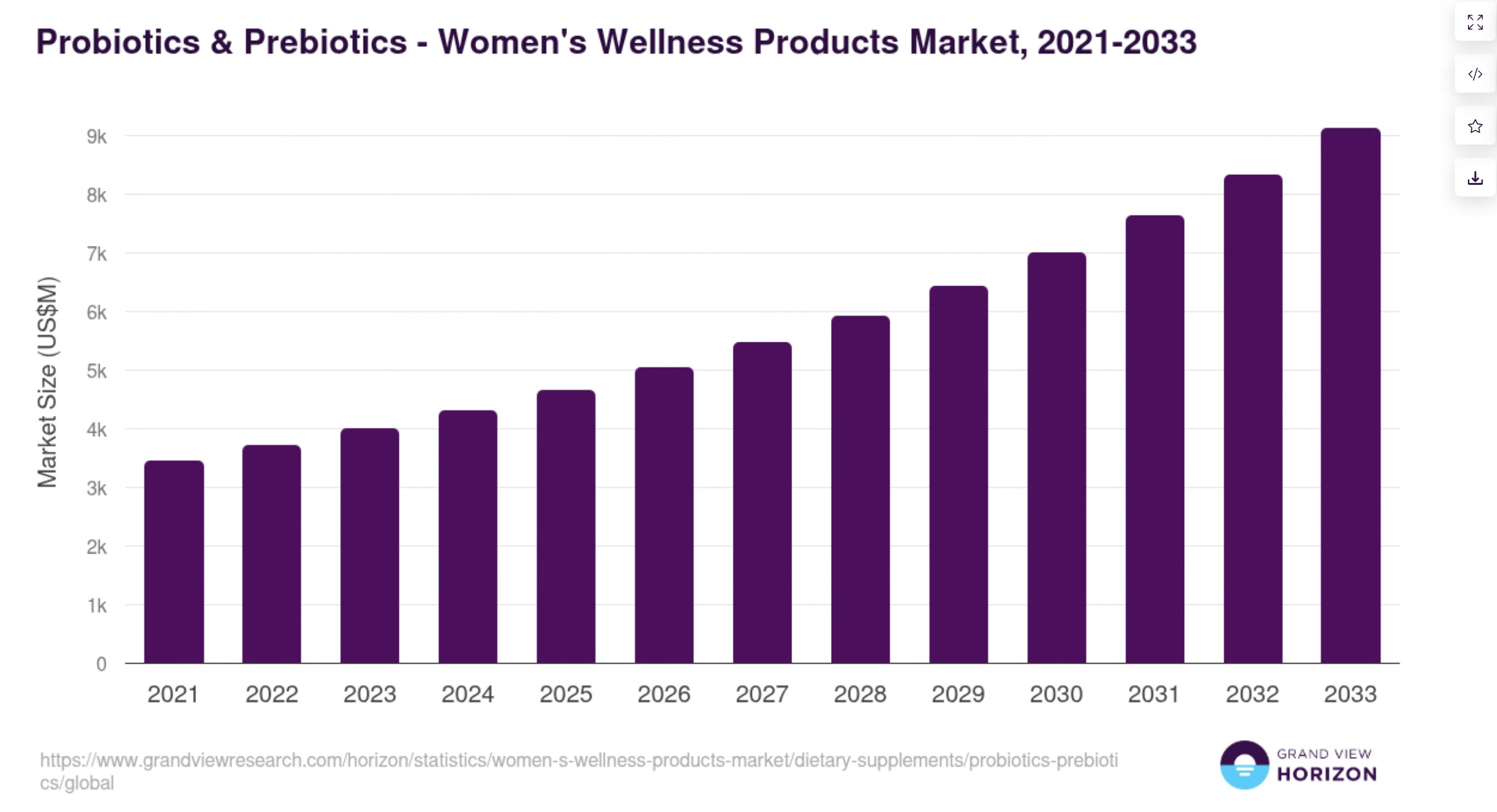
More importantly, the underlying industry logic is shifting: the market is moving from “single-strain probiotic competition” toward “systematic microbiome-based solution competition.” The recent collaboration between global yeast industry leader Lesaffre and Unisons around the women’s health ingredient Quatreflora signals a key industry inflection point—global premium ingredient companies are reassessing the value of Chinese probiotic players in R&D, manufacturing, and global collaboration.
Why Lesaffre Chose Unisons: A Strategic Decision by a Global Yeast Leader
In the microbiome industry, Lesaffre, a global leader in yeast and fermentation with over 170 years of expertise, holds a dominant position. Its subsidiary Gnosis by Lesaffre developed Quatreflora (based on the strain Saccharomyces cerevisiae CNCM I-3856), a functional yeast specifically studied for women’s intimate health, which has already gained strong international recognition.
When Lesaffre decided to introduce Quatreflora into the Chinese market, its partner selection criteria were extremely stringent: international-grade manufacturing systems, exceptional quality control capabilities, and deep expertise in probiotic industrialization.
Ultimately, Unisons was selected as a key strategic partner in China, thanks to its “zero-contamination” manufacturing standard, globally aligned process management capabilities, and strong reputation in serving health brand clients.
This is not a simple supplier relationship—it is a deep collaboration built on mutual recognition of manufacturing excellence and scientific rigor. The production standards represented by Unisons align closely with Lesaffre’s global quality philosophy at a fundamental level.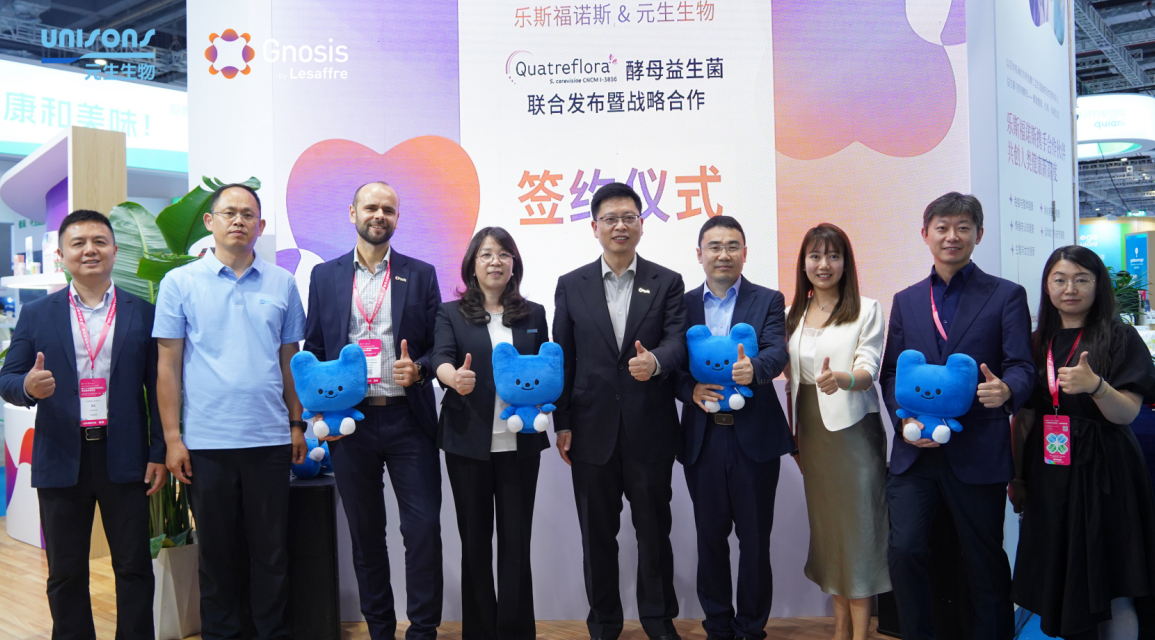
Women’s Health Is Entering the “Complex Microbiome Era”For a long time, women’s health probiotics were dominated by Lactobacillus-based solutions. However, a clear trend has emerged in recent years: the industry is shifting from “single Lactobacillus logic” toward more complex and precise microbiome intervention systems.The launch of Quatreflora marks the expansion of women’s health from probiotics into a broader “microbiome solution” category. Yeast strains, due to their unique biological properties, offer complementary advantages to Lactobacillus in terms of stability, tolerance, and mechanisms of action.Studies suggest that S. cerevisiae CNCM I-3856 can be detected in vaginal samples of some subjects after oral administration and is considered to have potential in supporting vaginal microbiome balance.Based on this scientific direction, Unisons and Lesaffre are jointly advancing innovative applications combining yeast and probiotic strains. This is not a simple ingredient stacking approach, but a system-level microbiome synergy strategy designed to build a more complete and precise women’s health intervention framework.Compared with existing single-strain Lactobacillus products, this differentiated approach offers significant advantages in scientific rationale, product performance, and consumer experience, creating a stronger competitive moat for downstream brand partners. What Global Brands Truly Need Is Not Just “Strains,” But Full Capability PlatformsIn the past, many brands selected suppliers based primarily on whether they owned a popular strain.Today, leading international brands are increasingly asking a different question: who can deliver an end-to-end capability system—from strain development, clinical validation, and industrial-scale manufacturing to stable supply and regulatory compliance?The reason is straightforward. Women’s health products require significantly higher standards than conventional probiotics in terms of stability, viability, contamination control, clinical data, and formulation compatibility. In particular, intimate health applications often require manufacturing standards comparable to pharmaceutical-grade systems.Therefore, future competitiveness will not belong to companies that simply “own a strain,” but to those capable of building a complete women’s microbiome solution matrix. This represents a key opportunity window for Chinese companies.From AKK to Women’s Health: Unisons Is Completing the “China Solution”Against the backdrop of accelerating global women’s health market upgrading, why are more international ingredient companies seeking co-development partners in China?Because women’s health products impose extremely high demands on the supply chain. In particular, when yeast-based probiotics are combined with bacterial strains, key challenges include:Strain stability\Viability retention\Contamination control\Multi-strain synergy\Formulation compatibilityProduct stabilityInternational regulatory alignment.